A personal look at how Work, Codex, Projects and better planning have changed the way I use AI.
For a long time, I thought I had ChatGPT figured out. I would open a chat, ask a question, refine the answer, copy what I needed and move on. It was useful, sometimes brilliant, and usually faster than starting from scratch.
But it was still mostly a conversation. I was asking for help, then doing the real work elsewhere.
I Thought I Had ChatGPT Figured Out
The biggest change has not been one new feature. It has been the gradual shift from using ChatGPT for isolated prompts to using it as part of a real working process.
That means thinking about the task, the files, the context and the outcome before I start typing. It also means choosing the right place to work instead of expecting one chat to do everything.
The Way I Work Has Changed
ChatGPT now has more ways to hold context around a task. Work gives me a space for focused activity. Projects help keep related chats, files and instructions together. Codex can work directly with code and files. Skills can provide repeatable guidance for particular jobs.
None of that matters because it sounds clever. It matters because I spend less time re-explaining what I am trying to do.
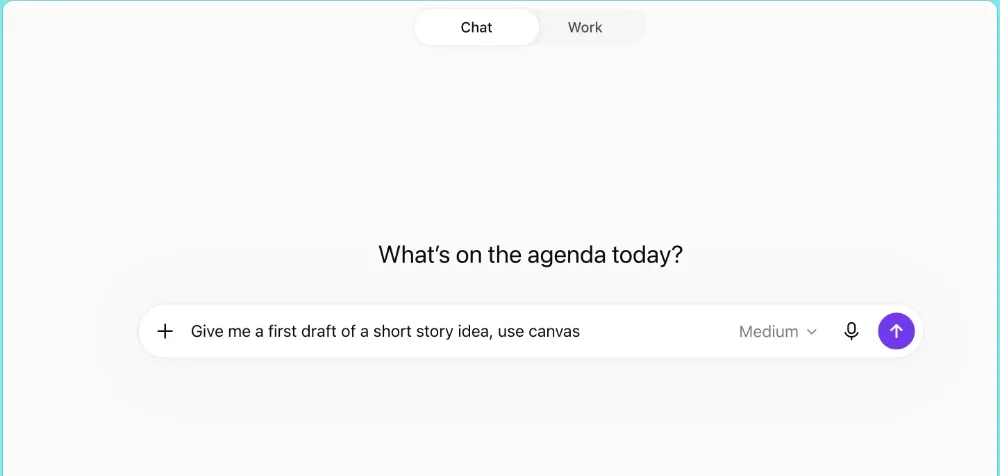
I can keep a piece of work in one place, return to it later and give the AI the information it needs to be useful. That is a better experience than treating every prompt as a fresh start.
Planning Became More Important Than Prompting
The more capable the tools become, the more important planning becomes. A quick prompt is still fine for a quick question. But when the work has several steps, rules or files involved, the quality of the plan shapes the quality of the result.
The better the plan, the better the result.
Before I begin, I now try to make the task clear enough that both I and the AI know what success looks like.
Goal: Create a clear, useful article for Nova9 readers
Audience: People using AI for practical everyday work
Include:
- Plain-language explanations
- Current product names
- Useful examples
- A clear next step
Avoid:
- Unnecessary jargon
- Overpromising
- Repeating the same point
This is not about writing enormous prompts. It is about giving good instructions, keeping the relevant information close by and checking that the work is heading in the right direction.
A short plan often gives a better result than another paragraph of instructions added halfway through.
Why ChatGPT Plus Now Feels More Valuable
ChatGPT Plus makes more sense to me now because it supports a fuller way of working. The value is not only in getting answers faster. It is in being able to work across longer tasks, use the tools that fit the job and keep useful context together.
When I am working on something important, I want less friction between the idea, the planning and the finished result. That is where the value shows up.
Why I Still Think People Should Try Other Tools
I do not think everyone should use one AI tool for everything. Different tools have different strengths, and trying alternatives can help you understand what kind of help you actually need.
Some people will prefer a simpler chat experience. Others will care about research, writing, coding, images, privacy or how well a tool fits into their existing work. The important thing is to stay curious and build a workflow that works for you.
This Is Not the Finished Story
AI tools are changing quickly, and so is the way people use them. I expect my own workflow to keep changing too.
The useful shift for me has been moving away from “What can ChatGPT answer?” and towards “How can I organise this work so ChatGPT can help properly?”
Nova9 View
The best AI workflow is rarely about finding one perfect prompt. It is about choosing the right tool, giving it the right context and staying involved enough to steer the work well.
Keep Exploring
- Browse AI Tools
- Explore the Prompt Library
- When Should I Start a New AI Chat?
- Keep a Record of Important AI Work
Official resources: ChatGPT, OpenAI Codex and OpenAI Help Centre.