What is a GPT?
A GPT is a customised version of ChatGPT that you configure once for a specific task.
Instead of starting every conversation from scratch, a GPT already knows your preferred tone, format and style, so each response begins closer to what you want.
The problem it solves is simple. If you use AI regularly, you will know the frustration of repeating the same instructions every time: write in a professional tone, keep it short, use headings, avoid jargon. A GPT holds those instructions for you permanently.
Improves your output inside chat by remembering your role, tone, examples and format.
Takes action across tools, moving through steps to complete a task more independently.
Build one useful GPT before adding more automation or agent-style workflows.
GPTs vs AI agents
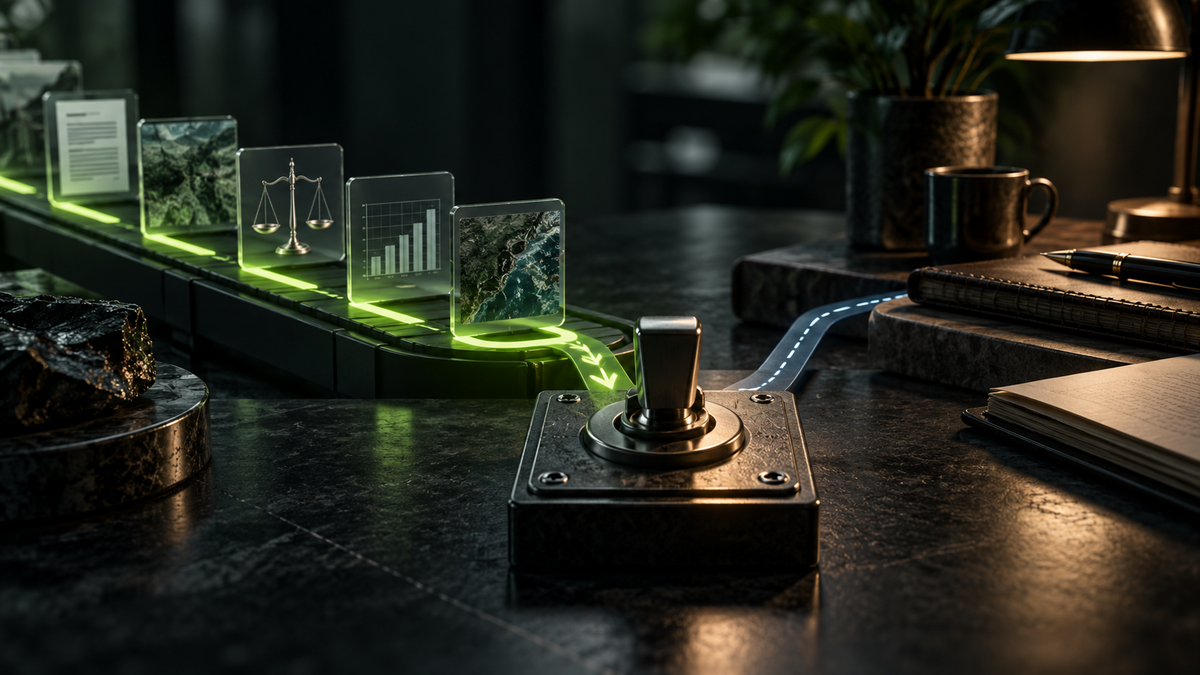
GPTs and agents are often talked about as if they are the same thing, but they solve different problems.

How you set up a GPT
When you create a GPT, you are not changing the AI model. You are shaping how it responds to you.
- A clear role: what the GPT is for and who it is writing for.
- Tone and style instructions: formal, plain, short or detailed.
- Examples of good output, so it can see what done well looks like.
- Things to avoid, such as jargon, filler phrases or over-explanation.
Good GPTs to start with
- Writing assistant: applies your tone and format to any draft.
- Research summariser: condenses long articles into key points.
- Meeting notes organiser: turns bullet points into a useful summary.
- Plain English rewriter: simplifies jargon-heavy text.
- Email drafter: writes professional replies from a few short notes.
A quick example
You type: "Turn these notes into a short blog post, keep it simple, use headings, write in plain English, no jargon."
The AI produces something decent, but you still fix the tone and repeat the same instruction next time.
You open your GPT and paste the notes. It already knows your style, format preferences and what good output looks like.
You make small edits rather than large corrections.
How to create your first GPT
Start narrow. A GPT that does one thing well is far more useful than one that tries to do everything.
- Pick one repeatable task you do regularly.
- Go to ChatGPT, click Explore GPTs, then Create.
- Give it a name and a clear role description.
- Add your tone and format instructions.
- Paste in one or two examples of good output.
- Test it with a real task and refine based on what it gets wrong.
Our honest view: start with a GPT.
Agents have their place, and the space is moving fast. But for most everyday tasks, a well-built GPT does the heavy lifting without the added complexity or risk.
If you are a Google Workspace user, Gemini Gems works on the same principle and is worth exploring.